




The credit card industry is in flux, and while most of the headlines focus on cardholders chasing points, the real pressure is quietly landing on the businesses that accept those cards. Through at least the balance of this year, merchants face a market shaped by rising interchange costs, increasingly complex reward structures, and a widening gap between the customers walking through their doors.
Premium Cards Mean Higher Costs at the Register
Every time a customer pays with a premium rewards card, the merchant absorbs a higher interchange fee. That’s not new, but the stakes are getting bigger. Annual fee revenue in the credit card industry nearly tripled between 2015 and 2024, from $3 billion to $8.7 billion, even as the number of people paying annual fees declined slightly. Issuers are extracting more value from fewer, wealthier cardholders, and funding those rewards largely through the fees you and other merchants pay on every transaction.
Higher ticket prices are adding to this issue.
With Chase Sapphire Reserve raising its annual fee by nearly $250 in 2025 and the Amex Platinum going up $200, the premium tier is only getting more premium. This creates higher ticket prices as the luxury market continues to grow, leading to more interchange revenue flowing to issuers and card networks—fees that are underwritten in part by the businesses that accept them.
Your Customer Base Is Splitting in Two
The credit card market is increasingly defined by a “K-shaped” divide. Your customer base likely consists of a small segment of wealthier consumers carrying high-end rewards cards, and a larger segment gravitating toward no-annual-fee or 0% APR options.
For merchants, this bifurcation matters operationally. A luxury retailer or upscale restaurant will see a customer base heavily weighted toward premium cards, and pay accordingly. A value-oriented retailer may see the opposite, with customers leaning on lower-tier or deferred-interest products that carry their own complications at checkout.
Understanding which side of that divide your customers live on should factor into how you think about card acceptance costs—and whether surcharging, minimum purchase thresholds, or preferred payment incentives make sense for your business.
Experience Perks Are Driving Spending—Somewhere
To deliver more value to cardholders while director where they spend their money, issuers are increasingly tying premium card benefits to specific merchants and categories, such as DoorDash credits, Lyft credits, Oura Ring subscriptions, lululemon purchases and the like. This is a double-edged dynamic for most merchants. If your category is favored, you benefit from elevated cardholder intent. If you’re not on the preferred list, you may find premium cardholders actively redirecting their spending to earn their credits elsewhere.
It’s worth knowing whether your business falls inside or outside the ecosystem your highest-spending customers are being incentivized to use.
The Rewards Arms Race Isn’t Slowing Down
As consumers become more sophisticated at maximizing rewards, typically by juggling multiple cards to optimize every purchase category, issuers face rising program costs. Their response has been to pile on niche credits and perks rather than increase straightforward cash-back rates.
For merchants, this means the interchange cost structure supporting those programs isn’t going away. If anything, issuers will look for ways to sustain reward value while protecting their own margins, with merchants being the primary funding mechanism.
Digital Wallets and Contactless Payments Are the New Normal
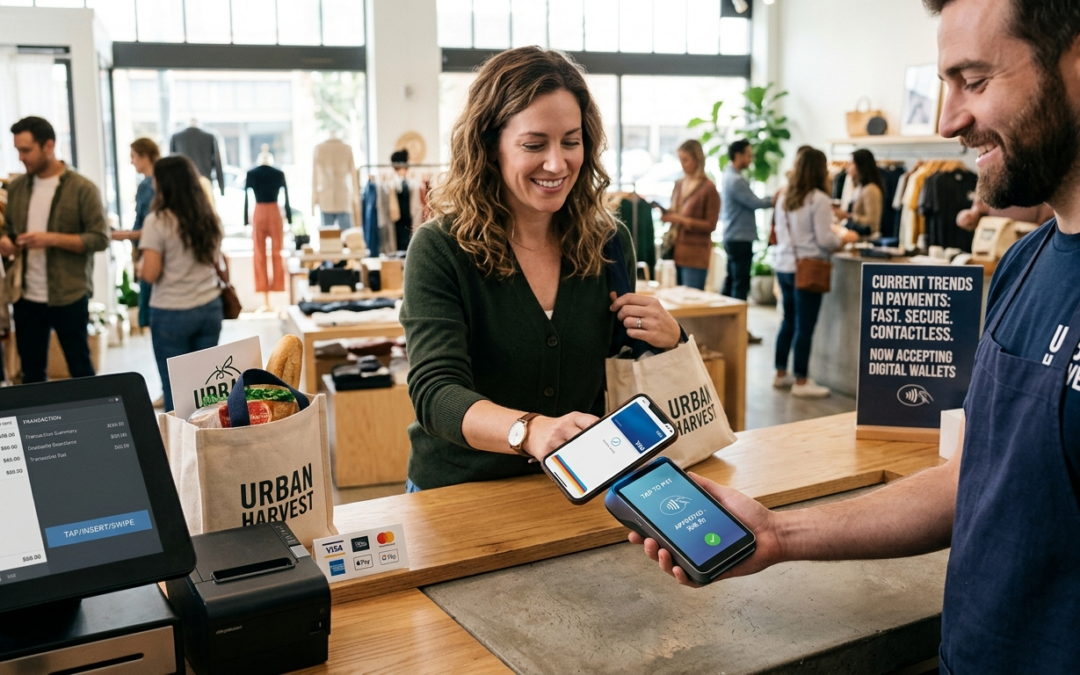
The broader market shift toward contactless payments, mobile card usage, virtual credit cards, and deeper digital wallet integration is expected to drive meaningful growth through at least 2030. For merchants, this makes accepting contactless payments a necessity. Customers, especially premium cardholders, expect tap-to-pay and mobile wallet acceptance. Friction at the point of sale is a real deterrent, and lagging on contactless capability increasingly means leaving sales on the table.
The Bottom Line
The 2026 credit card market is generous to consumers at the top and competitive at the bottom—and merchants like you fund much of it either way. With inflation still elevated and signs of the labor market softening, lenders are balancing growth against tighter risk management, a posture that could affect credit availability for some of your customers. The smartest merchants right now are the ones treating card acceptance not as a fixed cost, but as a strategic variable worth actively managing.
Call us at 952-736-1700 or email us at hsi@higherstandards.net to learn more about better managing your business’ payment options and fees. We’ll help you pick the best plan and options for your business and your customers.